How to Choose the Right VFFS Packaging Machine for Your Business Needs
In the ever-evolving landscape of packaging, choosing the right VFFS (Vertical Form Fill Seal) packaging machine has become a pivotal decision for businesses aiming to enhance efficiency and product integrity. According to a recent report by Smithers Pira, the global flexible packaging market is projected to grow by 4.4% annually, reaching an impressive value of $300 billion by 2024. This growth underscores the increasing demand for automated packaging solutions, with VFFS machines at the forefront, renowned for their speed and versatility.
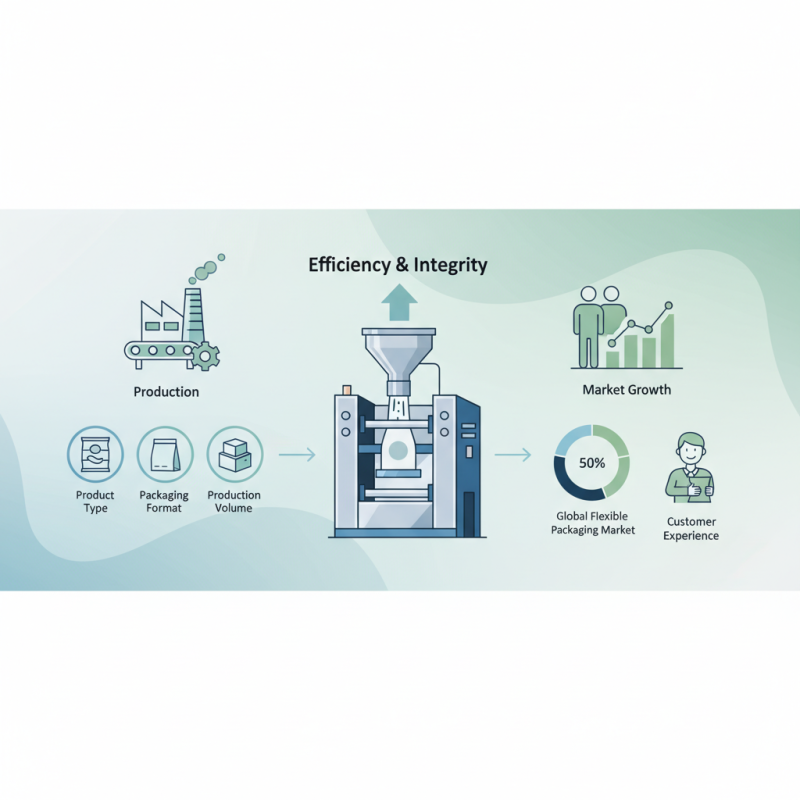
Industry experts highlight the critical factors to consider when selecting a VFFS packaging machine, including the type of product, desired packaging format, and production volume. Dr. Jane Thompson, a leading packaging technology expert, emphasizes, "The right VFFS packaging machine can significantly impact not only the operational efficiency of a business but also the customer experience with their products." Understanding these nuances can empower companies to make informed decisions that align with their production goals and market expectations. As the packaging industry continues to innovate, selecting the appropriate VFFS packaging machine is essential for maintaining a competitive edge in a crowded marketplace.
Understanding VFFS Packaging Machines and Their Benefits
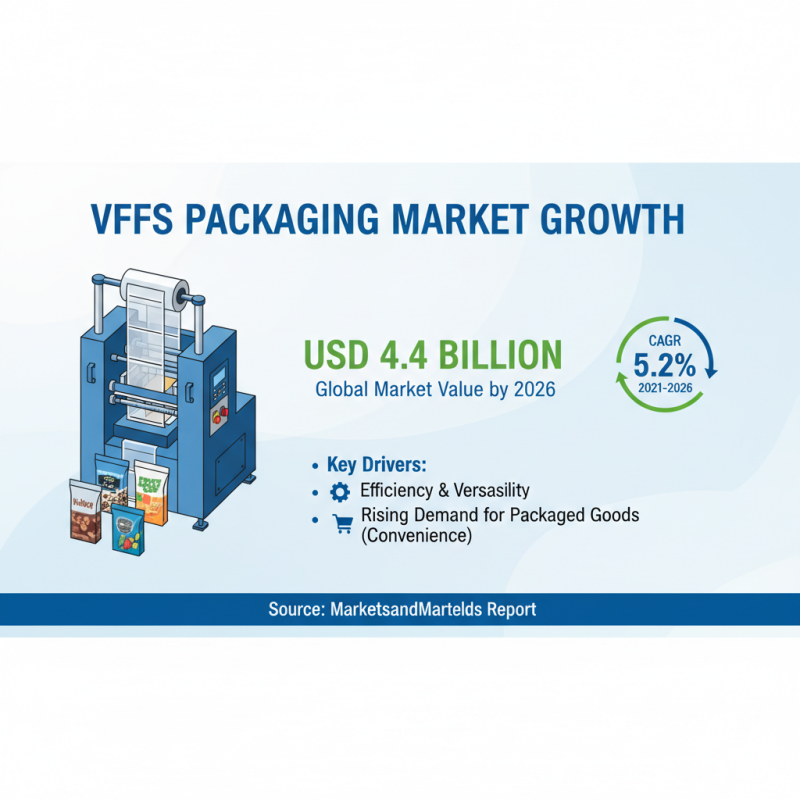
VFFS (Vertical Form Fill Seal) packaging machines have gained traction in various sectors due to their efficiency and versatility. These machines create bags from a roll of film, fill them with products, and seal them in a continuous process, which significantly boosts productivity. According to a report by MarketsandMarkets, the global VFFS packaging market is expected to reach USD 4.4 billion by 2026, growing at a compound annual growth rate (CAGR) of 5.2% from 2021. This growth can be attributed to the rising demand for packaged goods as consumers increasingly favor convenience.
The benefits of VFFS machines are multifaceted. They offer excellent sealing properties that prolong shelf life, ensuring products remain fresh for extended periods. Furthermore, the adaptability of VFFS machines allows for handling various product types, from granules to liquids, making them suitable for industries like food, pharmaceuticals, and household products. A study from PMMI showcases that over 70% of manufacturers report improved operational efficiency after implementing VFFS technology, with reduced material waste and shorter production times also being significant advantages. These findings underscore the vital role that VFFS packaging machines play in modern manufacturing, driving both quality and operational excellence in businesses.
Key Factors to Consider When Choosing a VFFS Packaging Machine
When selecting a Vertical Form-Fill-Seal (VFFS) packaging machine, businesses must consider several key factors to align the equipment with their operational demands. Firstly, assessing the type of products to be packaged is critical. Products can range from powders to liquids, each requiring specific features in a VFFS machine to ensure proper sealing and filling. According to industry reports, nearly 30% of packaging failures stem from not matching the machine to the product type, leading to wasted resources and time.
Another significant factor is the machine's speed and production capacity. VFFS machines can vary widely, with some capable of producing up to 200 packaging units per minute. Companies should evaluate their production goals and choose a machine that not only meets current demands but also allows for future scalability. A study conducted by a leading packaging industry analyst highlighted that businesses can improve operational efficiency by 25% when choosing the right machine for their output requirements.
**Tip:** Always conduct a thorough assessment of your packaging line's overall workflow to ensure compatibility with the VFFS equipment you select.
Additionally, consider the machine's ease of use and maintenance requirements. A user-friendly interface can minimize training time for operators and reduce the risk of errors during operation. Moreover, machines that require less frequent maintenance can significantly lower downtime, enhancing productivity. Research indicates that 40% of unplanned downtime is due to maintenance issues, underscoring the necessity of streamlined maintenance processes in machine selection.
**Tip:** Request demos or trial periods to evaluate how well the VFFS equipment integrates with your existing operations before making a final decision.
Assessing Production Capacity and Speed Requirements
When selecting a vertical form fill seal (VFFS) packaging machine, understanding your production capacity and speed requirements is essential. The first step is to evaluate your current and projected production volumes. Estimating the number of units you need to pack per hour or day will give you a baseline for determining the machine's capacity. For instance, if your business expects to increase production, it’s advisable to opt for a machine that can accommodate future growth and higher throughput, rather than one that meets only current demands.
In addition to production volumes, consider the speed of packaging required for your operation. Different VFFS machines offer varying speeds, typically measured in bags per minute. For businesses in fast-paced environments, a higher-speed machine may be necessary to maintain competitive efficiency. Conversely, companies with lower production demands might benefit from a more economical machine that operates at a moderate speed. Balancing these factors—capacity and speed—ensures that you choose a packaging machine that aligns with both your immediate and long-term operational objectives, enhancing productivity without compromising on quality.
Production Capacity and Speed Requirements for VFFS Packaging Machines
Evaluating Material Compatibility and Packaging Types
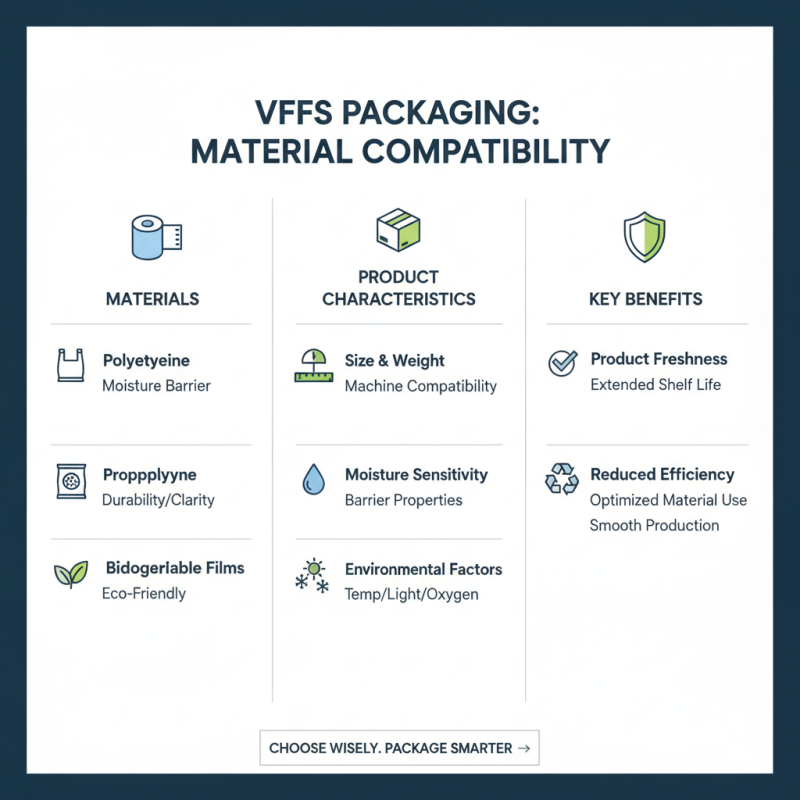
When selecting a Vertical Form Fill Seal (VFFS) packaging machine, understanding material compatibility is crucial to ensure efficient and effective packaging. Different packaging materials, such as polyethylene, polypropylene, or biodegradable films, offer unique benefits suited to various products. For instance, moisture-sensitive items may require films with specific barrier properties to maintain freshness. Evaluating your product's characteristics, such as its size, weight, and sensitivity to environmental factors, helps determine the most suitable materials for your packaging needs.
Additionally, packaging types play a significant role in the decision-making process. VFFS machines can accommodate a variety of packaging formats, including pillow bags, gusseted bags, and stand-up pouches. Each format serves different functional and aesthetic purposes. Stand-up pouches, for example, not only provide stability on shelves but also enhance product visibility. By aligning the chosen packaging type with your business goals—whether it’s prolonging shelf life, showcasing your brand, or facilitating ease of transport—you can optimize both your packaging operations and customer satisfaction.
Ensuring Ease of Use and Maintenance in Your Selection
When selecting a VFFS packaging machine, ensuring ease of use and maintenance should be a top priority. A user-friendly interface can significantly streamline operations, allowing your staff to quickly adapt to the machinery without extensive training. Look for features like intuitive touch screens, clear labeling, and easily adjustable settings that can cater to various packaging requirements. This not only enhances productivity but also minimizes the potential for operator errors.
Tip: Before making a purchase, request a demo of the machine to evaluate its usability firsthand. This can give you an insight into how the machine operates in real time and how easily your team can navigate the controls.
Maintenance should also be a key consideration in your decision-making process. Machines that are designed for easy cleaning and have accessible parts for servicing can save you significant time and costs in the long run. Check for features like removable parts and built-in diagnostic systems that alert users to potential maintenance issues. This reduces downtime and keeps your production line running smoothly.
Tip: Always examine the manufacturer’s maintenance guidelines and availability of spare parts before finalizing your choice. A reliable support system can greatly enhance your operational efficiency.
How to Choose the Right VFFS Packaging Machine for Your Business Needs
| Feature |
Description |
Importance |
Ease of Use |
Maintenance |
| Speed |
How fast the machine can package |
High |
Moderate |
Low |
| Bag Size |
Range of bag sizes the machine can produce |
High |
Easy |
Moderate |
| Type of Product |
Suitable for different product types (solid, liquid) |
Critical |
Easy |
Moderate |
| Technological Features |
Automation, touchscreen controls, etc. |
High |
Moderate |
Low |
| Energy Efficiency |
Power consumption rate of the machine |
Important |
Easy |
Low |
| Cost |
Total investment needed for the machine |
Critical |
High |
Moderate |