How to Choose the Right VFFS Machine for Your Packaging Needs in 2025
In 2025, the packaging industry continues to evolve at a remarkable pace, making it essential for businesses to adapt their strategies to meet changing consumer demands and technological advancements. The Vertical Form Fill Seal (VFFS) machine plays a pivotal role in this transformation, offering flexibility and efficiency that are vital for modern packaging operations. According to a recent report by Packaging Machinery Manufacturers Institute (PMMI), the global market for VFFS machines is projected to grow at a compound annual growth rate (CAGR) of 5.2% from 2022 to 2027, reflecting the increasing demand for automated packaging solutions across various sectors.
As noted by packaging expert Dr. Emily Chen, "Choosing the right VFFS machine is critical for optimizing production lines and enhancing product shelf life." Her insights underline the importance of selecting equipment that not only meets current operational needs but also anticipates future scalability. With numerous factors to consider—including machine speed, bag size, and material compatibility—businesses must carefully evaluate their options to ensure the chosen VFFS machine aligns with their unique packaging requirements. This decision-making process will be crucial as companies seek to improve efficiency, reduce costs, and maintain competitive advantages in a rapidly evolving landscape.

Understanding VFFS Machines: An Overview of Vertical Form Fill Seal Technology
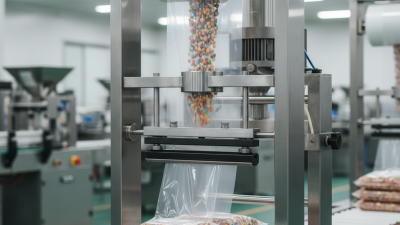
Vertical Form Fill Seal (VFFS) technology has revolutionized the packaging industry by providing an efficient and versatile solution for various products. This method combines three essential operations—forming, filling, and sealing—into a single process, resulting in a streamlined and cost-effective packaging system. VFFS machines create bags from a flat film, filling them with products such as snacks, powders, or liquids before sealing them for distribution. This not only reduces packaging time but also minimizes material waste, making it an eco-friendly option.
In 2025, choosing the right VFFS machine requires an understanding of the components that drive its efficiency and versatility. Key factors include the machine's speed, the types of materials it can handle, and the various bag styles it can produce. Additionally, advancements in automation and technology, such as machine learning and IoT integration, enhance operational efficiency and enable real-time monitoring. As manufacturers look to meet evolving consumer demands, selecting a VFFS machine that aligns with specific product requirements and business goals will be crucial for success in an increasingly competitive market.
Key Factors to Consider When Selecting a VFFS Machine for 2025
When selecting a Vertical Form Fill Seal (VFFS) machine in 2025, there are several key factors to consider to ensure that the equipment meets your packaging needs effectively. First, evaluate the type of products you will be packaging.
Different machines are designed for various materials, whether you are working with dry goods, liquids, or powders. Understanding the product’s characteristics will help narrow down the options and choose a machine that can handle specific requirements, such as fill volumes and material compatibility.
Another important aspect to consider is the machine's flexibility and scalability. As your business grows, your packaging needs may change, so selecting a VFFS machine that can easily adapt to different product sizes and formats is crucial. Look for features such as quick changeover capabilities and customizable settings that allow you to adjust the machine for various projects without significant downtime.
Tips: When evaluating potential machines, seek out models that offer easy maintenance features. A well-designed machine with accessible components can save time and reduce operational costs. Additionally, consider the automation level of the VFFS machine; a higher degree of automation can lead to increased efficiency and reduced labor costs in the long run.
Assessing Production Volume and Speed Requirements for Your Packaging
When selecting a Vertical Form Fill Seal (VFFS) machine for your packaging needs, understanding your production volume and speed requirements is paramount. The first step is to accurately assess your anticipated output. This involves not only evaluating how many packages you need per day but also considering future scalability. A machine capable of adjusting its output to match fluctuations in production demand can prevent delays and inefficiencies as your operations grow.
Speed is another critical factor in the decision-making process. Different VFFS machines offer varying degrees of packaging speed, which can impact your overall productivity. It’s essential to analyze your production line’s workflow and determine how quickly the machine needs to operate to meet your deadlines without sacrificing quality. Additionally, opt for technology that enables quick changeovers between different products to maintain momentum in a dynamic production environment. Balancing these elements will help ensure you select the right VFFS machine that not only meets your current needs but also supports future growth.
How to Choose the Right VFFS Machine for Your Packaging Needs in 2025
| Packaging Type |
Production Volume (units/hour) |
Speed Requirement (bags/min) |
Material Compatibility |
Price Range ($) |
| Granular Products |
2000 |
40 |
Plastic, paper |
15,000 - 25,000 |
| Powdered Products |
1500 |
30 |
Aluminum foil, plastic |
20,000 - 30,000 |
| Liquid Products |
1800 |
36 |
Plastic, laminated films |
25,000 - 35,000 |
| Snack Foods |
2200 |
44 |
Metallized film, plastic |
18,000 - 28,000 |
| Chemical Products |
1600 |
32 |
Polyethylene, paper |
22,000 - 32,000 |
Choosing the Right Materials and Film Types for VFFS Applications
When selecting materials and film types for Vertical Form Fill Seal (VFFS) applications, compatibility with the product being packaged and the desired shelf life are crucial factors. The choice of material affects not only the aesthetics of the packaging but also its functional properties. For instance, vacuum-sealed items often require materials that exhibit low oxygen permeability to prolong freshness, while products that are sensitive to moisture need films that offer effective barrier properties. Additionally, the physical characteristics of the materials must harmonize with the VFFS machinery in terms of sealing capabilities and ease of handling during the packaging process.
Another important consideration is the sustainability aspect of packaging materials. As consumer demand for eco-friendly options increases, manufacturers are increasingly looking at biodegradable films and recyclable materials without compromising the performance of the packaging. The right balance between performance and sustainability can enhance brand reputation and meet regulatory demands. By evaluating both the material properties and environmental impact, businesses can ensure that their choice of film type aligns with their operational goals and customer expectations for responsible packaging practices. Choosing the right materials and films tailored to specific product requirements ultimately facilitates smoother packaging operations and improves overall product appeal on the shelf.
VFFS Machine Applications and Film Type Preferences in 2025
Evaluating Additional Features and Customizations for Optimal Efficiency
When selecting a Vertical Form-Fill-Seal (VFFS) machine, additional features and customizations should be evaluated to enhance production efficiency. According to a report by the Packaging Machinery Manufacturers Institute (PMMI), the demand for automated packaging solutions is expected to grow significantly, driven by the need for increased operational efficiency and reduced labor costs. Features such as advanced control systems, which allow for precision in sealing and filling, can boost throughput by as much as 30%. Customization options like multi-lane configurations can also cater to specific product types and improve the overall speed of the packaging process.
Another vital consideration is integration capabilities with existing production lines. Recent studies indicate that manufacturers who invest in machines with modular designs and compatibility with Industry 4.0 standards can achieve a return on investment within two years. These machines not only adapt to varying packaging requirements but also incorporate data analytics to monitor performance metrics in real-time. Enhancements such as automatic changeover features and improved film handling mechanisms further streamline operations, making it crucial for businesses to weigh these customizations against their specific packaging needs as they prepare for the evolving landscape of 2025.