Best Chocolate Expiration Guidelines You Need to Know?
Chocolate expiration is a topic that raises many questions. How long can you truly enjoy your favorite treat? Chocolate doesn’t last forever, and understanding its expiration is essential for both flavor and safety.
Many factors influence chocolate expiration. Ingredients like milk and added fillings can shorten its shelf life. Dark chocolate, with higher cocoa content, tends to last longer than its milk counterparts. However, even dark chocolate has a limited window of optimal freshness. It’s crucial to check packaging for best-by dates, but those can be misleading.
Many people may wonder about chocolate stored in ideal conditions. Sometimes, looks can be deceiving. Chocolate may appear fine but could have lost its flavor or texture. Uncertainty often arises when trying to decide if it's still good. Knowing how to identify signs of aging chocolate can save you from a disappointing experience. Embracing these guidelines can help you enjoy chocolate at its best and avoid unnecessary waste.
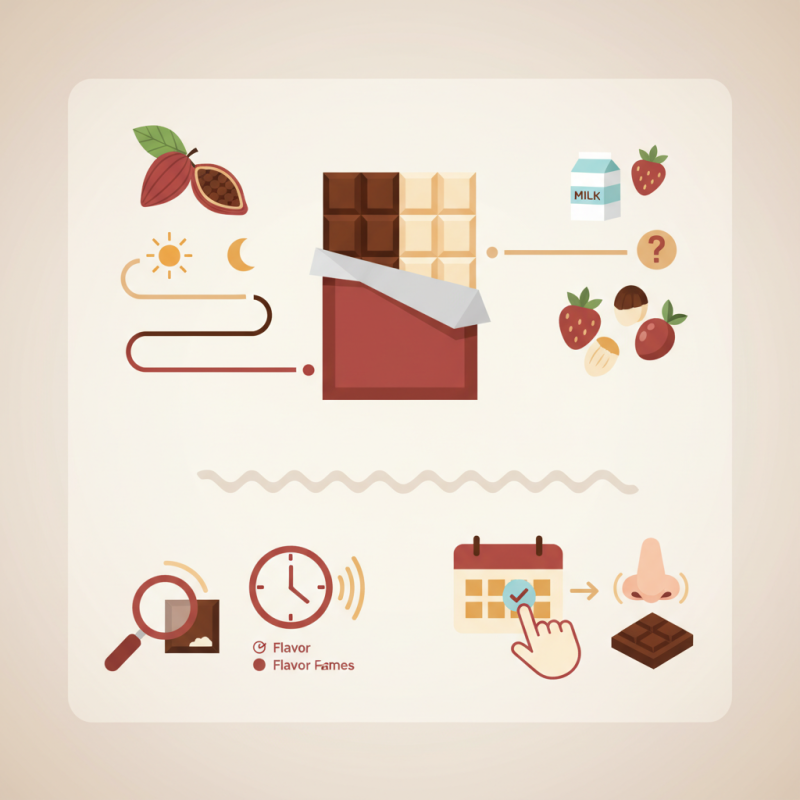
Best Practices for Chocolate Storage: Maximizing Freshness
Storing chocolate properly is key to maintaining its flavor and texture. Chocolate should ideally be kept in a cool, dry place. A temperature between 60°F to 70°F works well. Avoid storing it near heat sources, like ovens or direct sunlight. Wrapping chocolate in foil or placing it in an airtight container can help keep it fresh longer.
Humidity can harm chocolate. It may lead to a sticky surface or sugar blooming. This occurs when moisture causes sugar to rise to the surface. If you see a white film on your chocolate, it does not mean it’s bad, but it may not taste as good. Try to limit exposure to fluctuating temperatures; it can lead to unwanted changes in texture.
Pay attention to the packaging too. If it’s damaged, the chocolate is more vulnerable. Keep an eye on expiration dates, but remember, chocolate often remains safe beyond them. A good practice is to rotate your stash; finish older chocolates before opening new ones. This ensures you enjoy them at their best.
Understanding Chocolate Expiration Dates: Types and Labels Explained
Chocolate has a varying shelf life depending on its type. Dark chocolate can last up to two years when stored properly. Milk and white chocolates, however, typically expire much sooner, usually within eight months to a year. The differences in ingredients play a crucial role here. Dark chocolate has less dairy, making it more resilient against spoilage.
Understanding chocolate labels is essential for consumers. Look for "best by" or "sell by" dates. These are indicators rather than strict expiration dates. According to industry reports, over 30% of consumers misunderstand these labels. This often leads to premature disposal of otherwise good chocolate.
Storage conditions also matter greatly. Keep chocolate away from heat and moisture. Ideal temperatures are around 65-70°F (18-21°C). Improper storage can lead to a phenomenon known as "bloom." This results in a white, powdery surface, affecting taste and texture. Yet, chocolate is still safe to eat. Awareness of these details can enhance your chocolate experience significantly.
The Science of Chocolate Shelf Life: Factors Affecting Longevity
Chocolate may seem eternal, but its shelf life varies significantly. Several factors influence how long chocolate remains fresh. Temperature plays a key role. Warm environments can cause chocolate to bloom, affecting texture and taste. Cool, dry places are ideal for storage.
Humidity can also impact chocolate's lifespan. High moisture levels may encourage mold growth, while low humidity can lead to drying out. Packaging makes a difference too. Properly sealed chocolate lasts longer. An open bar exposes it to air and potential contaminants.
Even with proper care, chocolate will not last forever. Look for signs of freshness like a smooth surface and rich aroma. If your chocolate appears dull or has an off smell, it may be past its prime. Enjoy it while it’s still delicious.
Signs Your Chocolate Has Expired: How to Detect Spoilage
Chocolate is a beloved treat, but it can spoil. Recognizing the signs of expired chocolate is essential for safety and taste. The first sign is a change in appearance. Chocolate that has bloomed shows a white, powdery coating. This usually occurs when chocolate is exposed to moisture or temperature fluctuations. It’s not harmful, but it affects flavor.
Another indicator is an off smell. Fresh chocolate has a rich, pleasant aroma. If the smell turns sour or strange, it’s likely gone bad. Texture also matters. Chocolates that feel dry or crumbly may no longer be suitable for consumption. While it can still be edible, the taste will often disappoint.
Lastly, always check the best-by date. However, this is not a strict rule. Chocolate may last beyond the date if stored properly. Trusting your senses is crucial. If it looks, smells, or tastes off, it’s better to discard it rather than risk enjoying something spoiled.
Industry Guidelines on Chocolate Consumption: Safe Duration and Quality
Chocolate is a beloved treat enjoyed by many. Understanding its expiration guidelines helps to ensure both safety and quality. Generally, dark chocolate has a longer shelf life than milk chocolate. It can last up to two years, while milk chocolate typically stays good for about one year. White chocolate, due to higher fat content, often lasts about six months.
When assessing chocolate, look for signs of quality degradation. If you see discoloration or noticeable changes in texture, it might be time to rethink your indulgence. Chocolate can develop a white coating called bloom, which occurs when fat or sugar rises to the surface. It doesn’t necessarily mean the chocolate is bad, but it can affect flavor.
While chocolate can last for a while, the aroma and taste may decline over time. Always check packaging for specific guidelines. An opened chocolate bar should ideally be consumed within a few weeks to fully enjoy its rich flavors. Be mindful of how you store chocolate too; a cool, dark place keeps it fresher longer.
Best Chocolate Expiration Guidelines You Need to Know
| Chocolate Type | Shelf Life (Unopened) | Shelf Life (Opened) | Best Storage Method |
| Dark Chocolate | 2 years | 1 year | Cool, dry place |
| Milk Chocolate | 1 year | 6 months | Cool, dry place |
| White Chocolate | 1 year | 6 months | Cool, dry place |
| Chocolate Bars with Nuts | 1 year | 6-8 months | Cool, dry place |
| Chocolate Truffles | 3-4 months | 1-2 months | Refrigerator |